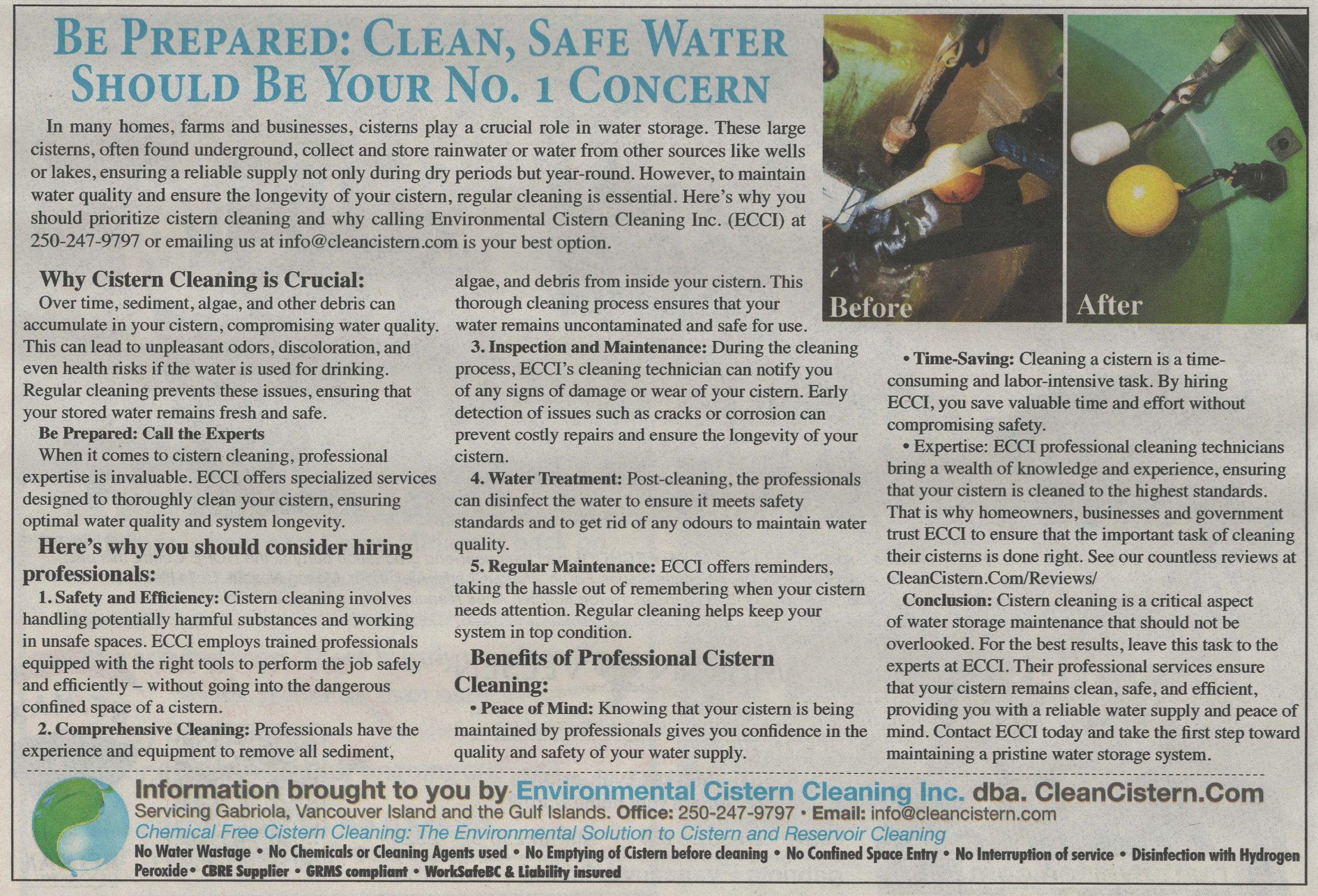
Ever wondered which water – warm or cold – is better for your health?
To find out, watch the video below from Dr. Mercola


To find out, watch the video below from Dr. Mercola
I don’t even want to think about what would happen… I keep a water bottle beside my bed and pretty much everywhere I go. Maybe I am not so wrong in doing so?
Let’s find out by watching this great video of TED-Ed by Mia Nacamulli
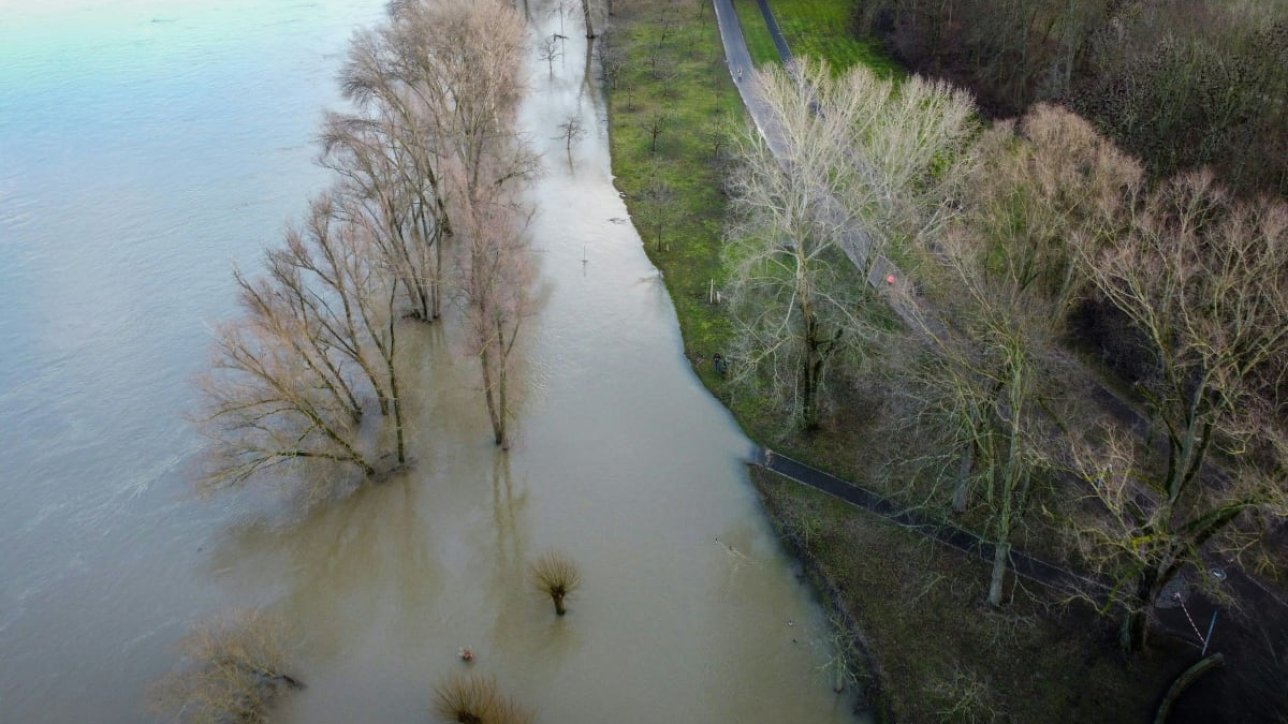
Please watch below a video of “The Ready Life” channel on YouTube
While we prefer Hydrogen Peroxide to Chlorine, in an emergency you gotta do what you gotta do…
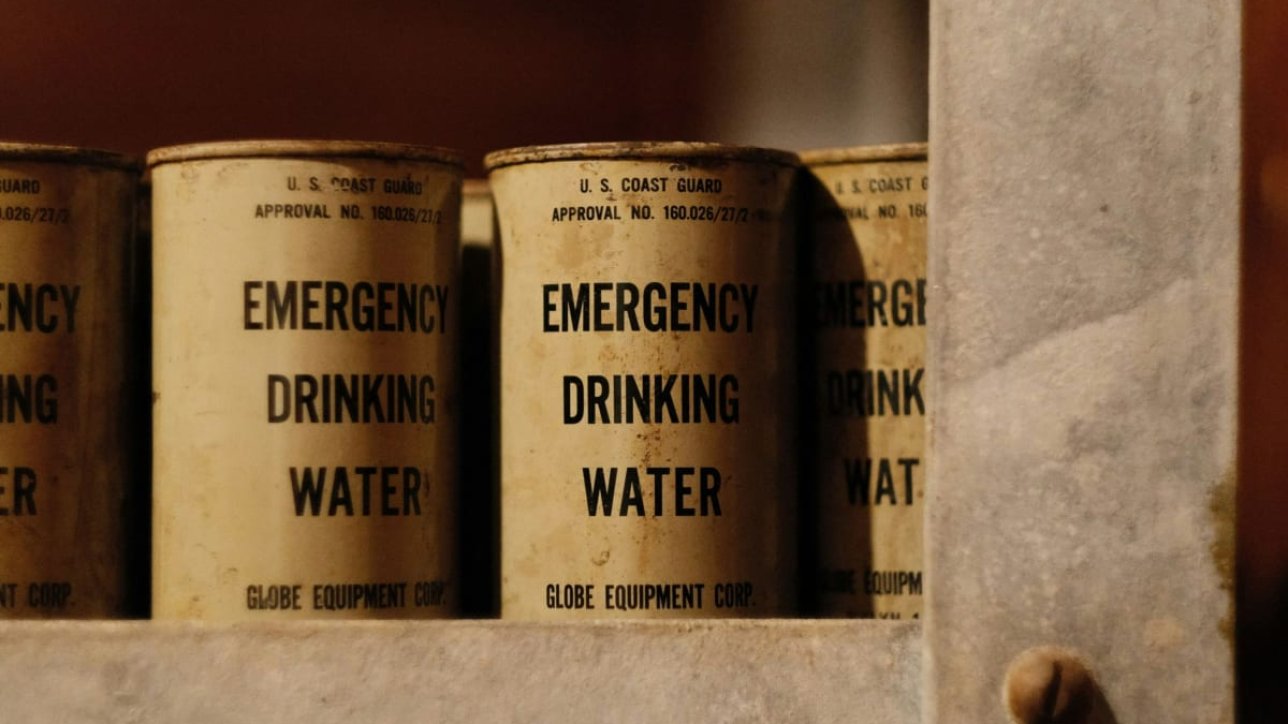
I wouldn’t call it “The Only Emergency Water Storage Guide You’ll Ever Need”, but it’s a great start.
There are, of course, other ways to sanitize water without using bleach (like Hydrogen Peroxide, but that is for another post on another day).
Please watch “The Only Emergency Water Storage Guide You’ll Ever Need” of the YouTube channel ‘The Ready Life’:

Ah yes, it’s that time of year again. Birds are singing, flowers are blooming, and that clingy relative of the plant world pollen has crashed back into town like it never left. And just like Aunt Mabel showing up unannounced with three suitcases and a casserole, pollen has made itself way too comfortable… right in your water cistern.
If you’re collecting rainwater, you already know what’s coming: that unmistakable stink. That swampy, musty, “what-is-that-smell” smell. Congratulations — pollen has officially checked in.
We Get Rid of the Gunk (and the Smell)
At CleanCistern.Com, we’ve been tackling this sticky situation since 2013. Our cistern and reservoir cleaning service gets right to the root of the issue, removing layers of slimy, glutinous, and truly offensive-smelling pollen buildup. Of course, we also take care of the usual sediment and sludge that settles in over time.
One customer put it best: “I didn’t realize I had a septic system in my gutters.” (Spoiler alert: that wasn’t a compliment.) That’s where the pollen starts gathering — then it hitchhikes its way down into your tank and becomes everyone’s problem.
What Happens When You Don’t Clean It?
Once pollen gets into your water, it floats on the surface, then sinks like a sneaky little gremlin to the bottom of your cistern. From there, it:
Just ask Mrs. A. When she called us, the smell in her house was so bad she had to move out temporarily. Five cisterns full of pollen sludge later, we cleared it out and – voilà – she could breathe again.
Our Process: Save the Water, Save Your Sanity
We don’t believe in waste. Our proprietary system cleans your cistern without emptying it first — preserving your water while restoring your tank. In rare cases, if the water is too far gone (think yellow soup), we’ll use our “clean & drain” method, leaving your tank spotless and ready for a fresh refill. No extra charge, no drama.
Not Sure What You Need?
Don’t worry. When our technician arrives, he’ll inspect your system and will recommend the best course of action — whether that’s a sediment removal, standard full clean or a clean & drain. Either way, your cistern will be fresh, disinfected (with hydrogen peroxide – never harsh chemicals), and ready to go.
So, before Pollen sets up camp and invites all its friends (hello, algae!), give us a call.
250-247-9797 or book online CleanCistern.Com/bookings/
This was our advertorial in the Gabriola Sounder on May 21, 2025 – click here for pdf.
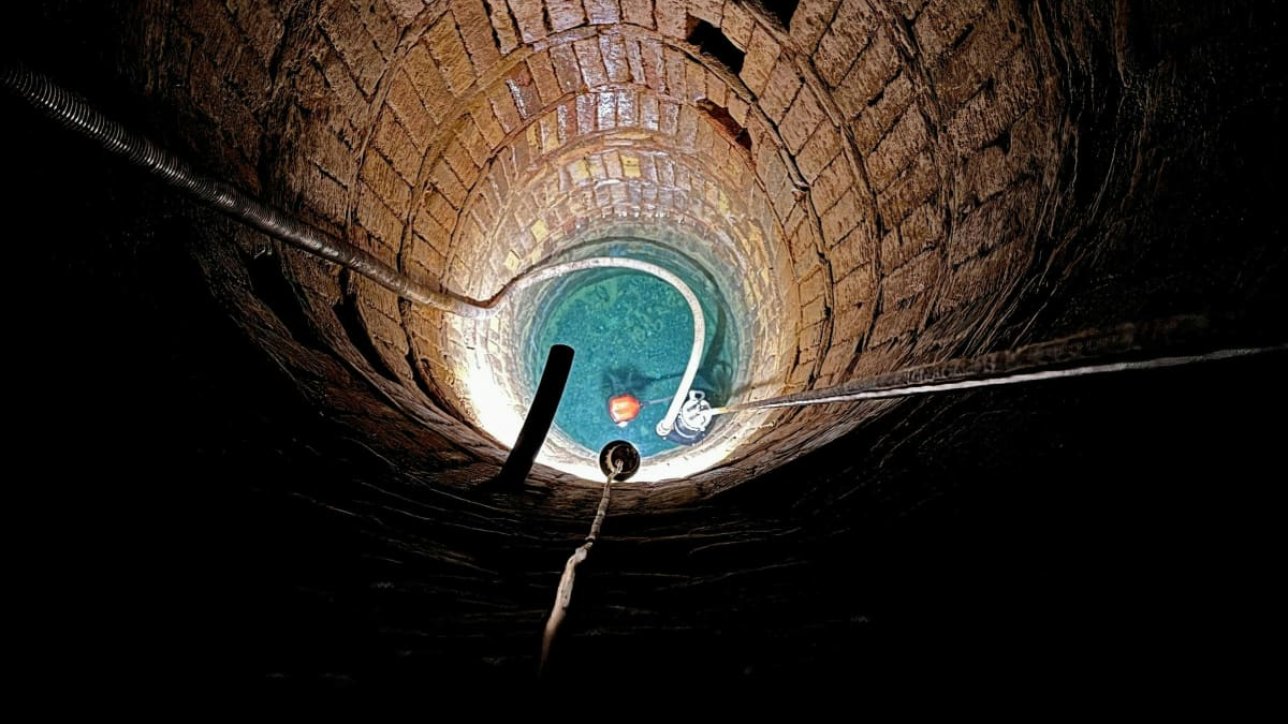
If they could do that in times long past, surely we could re-invent that wheel today… Watch this amazing video of “Leaf of Live” that shows the ways ancient civilizations created thriving communities in the desert. How they captured water and stored it and built trade by supplying ships with water.

As you freshen up your space for the new season, don’t forget about your cistern! Over time, sediment, bacteria, and debris can build up, affecting your water quality and health. A professional cleaning ensures clean and fresh water for your home.
Start spring off right—schedule your cistern cleaning today!
To make up for the not-so-springlike weather today, we are offering a 10% discount on orders placed today (March 21, 2025) until midnight if booked via our webform.
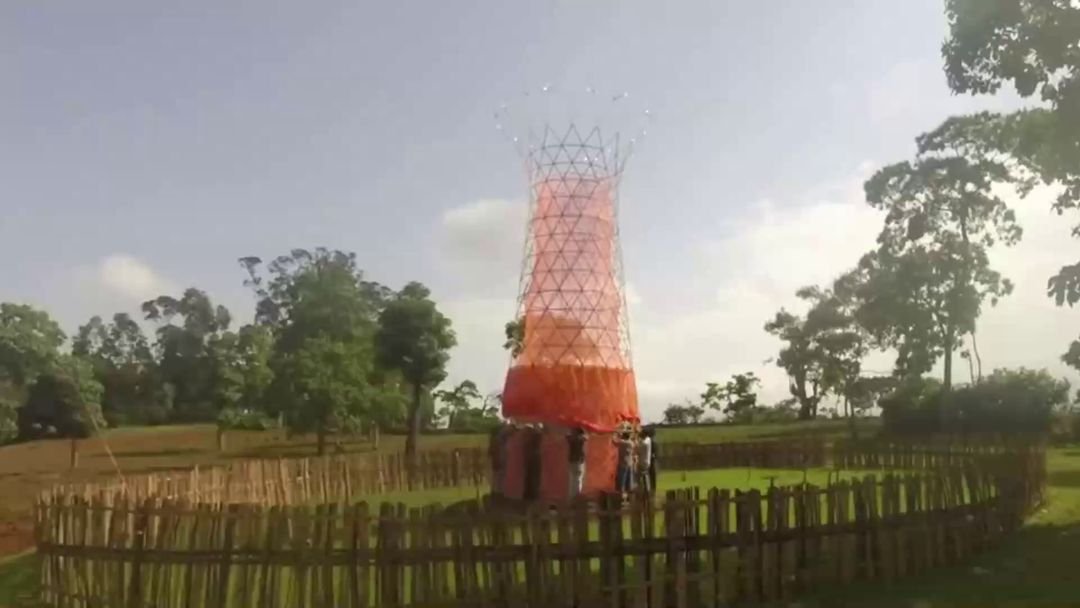
For isolated desert regions where access to fresh water is a constant issue there’s a bamboo tower that is proving to be a lifesaver. Watch the short video to see the tower in action. This information was found and published on FLIPBOARD by Underknown in 2024.
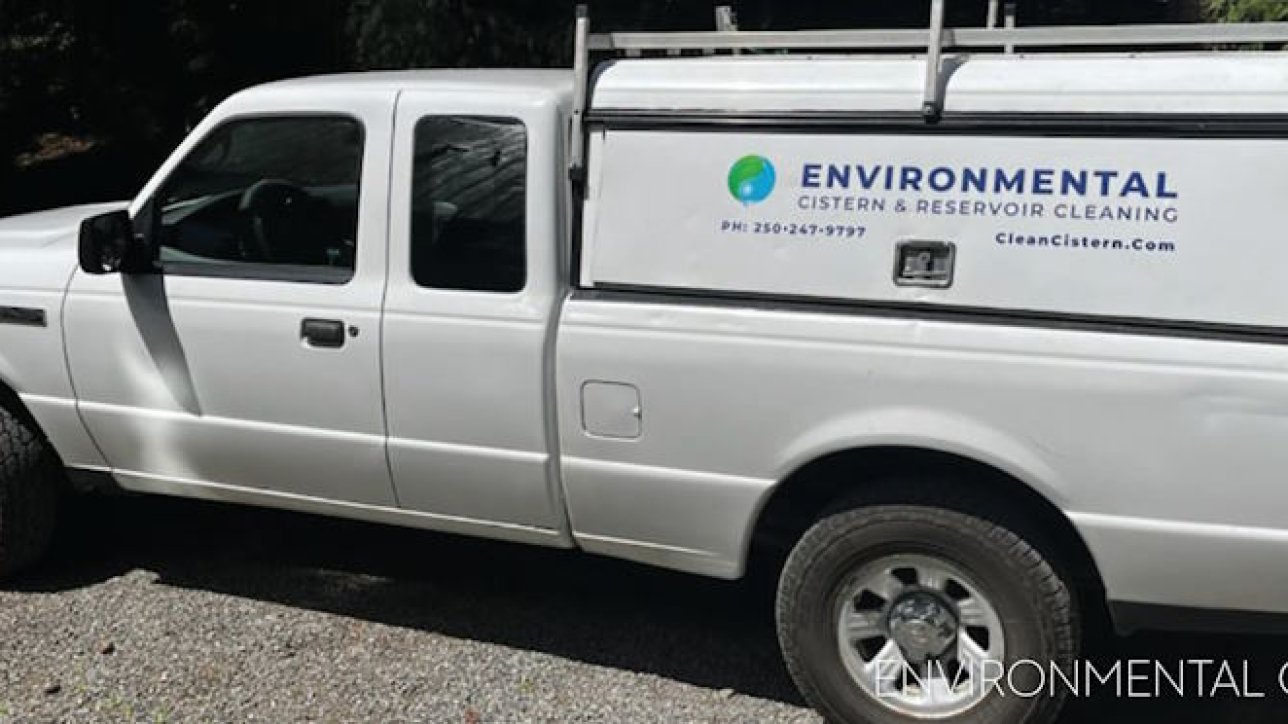
In case you’ve been wondering why you haven’t seen the white truck with ECCI’s logo on for a while:
It’s because Will got a new truck and he just had it wrapped with the newest cool look – don’t you agree?

And here from the back side:
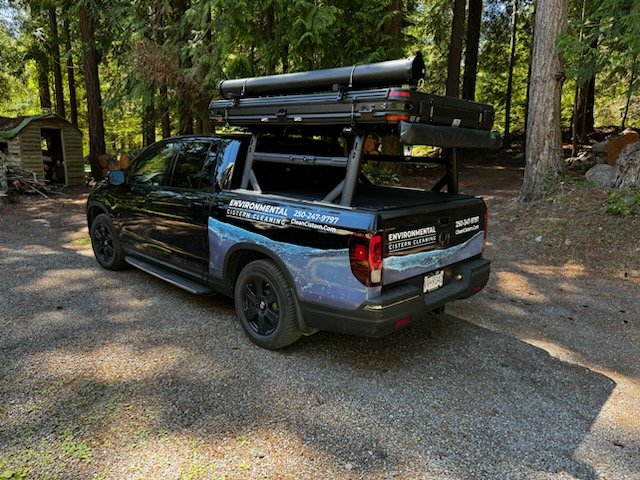
So don’t get carried away by staring at the waves too long… if you need a cistern or reservoir cleaned, we are still reachable at the same numbers:
Office: 250-247-9797 Email: info@cleancistern.com
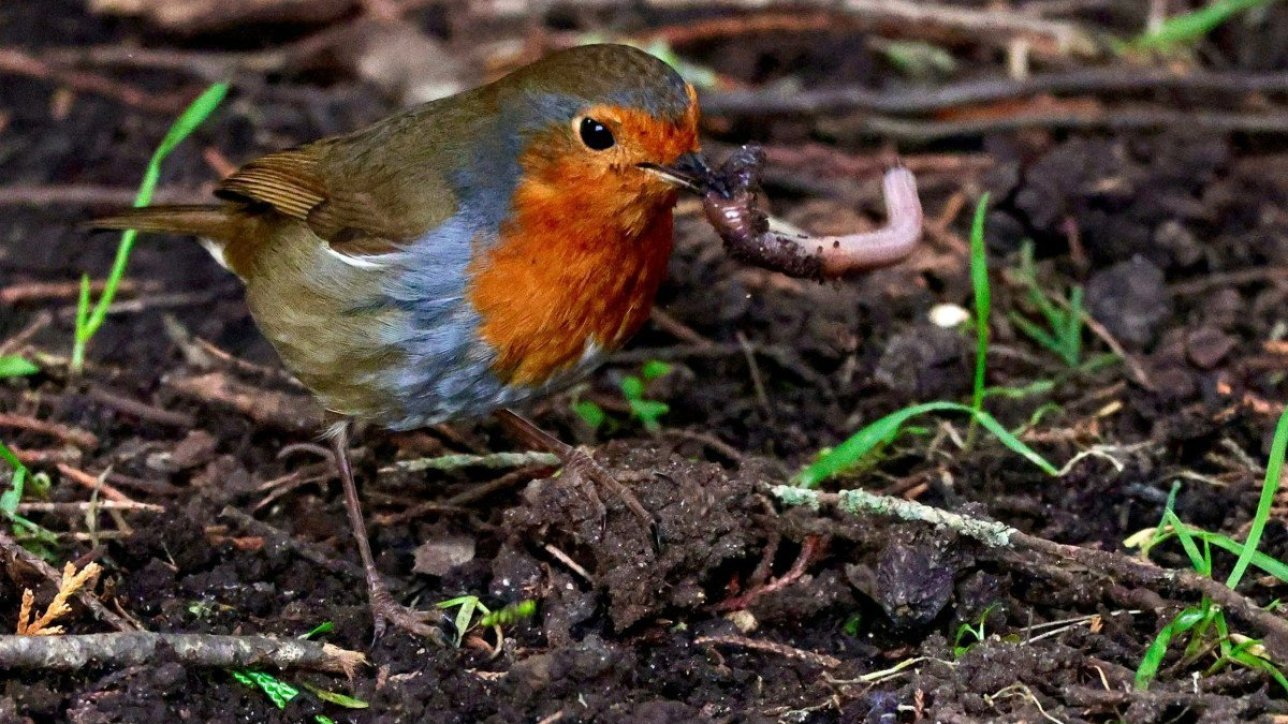
As the vibrant colours of spring begin to bloom, it’s time to shake off the winter blues and embrace the season of renewal. While many focus on traditional spring cleaning tasks like decluttering, organizing and window cleaning, one essential aspect often gets overlooked – cistern cleaning. Let’s explore the importance of including professional cistern cleaning in your regular spring maintenance routine and why being the early bird truly gets the clean cistern!
A clean cistern is an efficient cistern. Removing sediment and debris allows your water storage system to operate at its full capacity. In most cases, we can remove the sediment without having to drain all the water. Approximately 50 gallons of water is needed to do a cleaning, leaving most of the water in the cistern. This not only ensures a reliable water supply but also contributes to water conservation efforts.
Be the early bird: The saying “the early bird gets the worm” holds true in cistern cleaning. Spring is the ideal time to tackle this task before the warmer weather encourages the growth of bacteria and algae. By being proactive, you’ll set the stage for a season of clean, refreshing water.
Conclusion:
In the grand symphony of spring maintenance, don’t forget to give your cistern the attention it deserves. Clean water is essential for a healthy home and well-being. So, this spring, be one of the early birds – proactive in ensuring your cisterns are clean and ready to provide you with the purest water possible. Embrace the season with a fresh start, a clean cistern, and the satisfaction of knowing you’ve taken a vital step towards a healthier home.

This is the title of a recent article in the Times Colonist by Derrick Penner of the Vancouver Sun on Sept. 3, 2023
Please read full article here.
Environmental Cistern Cleaning is proud to having been included as feature story in the July 2023 edition of the Business Examiner by Mark MacDonald.



We are proud to be one of the businesses mentioned in this special edition. Probably because cisterns are a way of life on an island, and it is our daily life, cleaning and disinfecting cisterns for our treasured customers (both homes and businesses).
Here the full article, in case you missed getting a copy of the Sounder:
Discover the extraordinary journey your cistern undergoes during our meticulous cleaning process. If your water source is rainwater harvested from your roof, you might relate to the challenges we face – from pesky needles and bird droppings to stubborn dust and dirt. But there’s more to it; imagine encountering unexpected guests like mischievous mice, playful squirrels, or even the occasional curious rat. It’s a wild world up there, and we’re here to tackle it all.
For those with well water, our expertise takes on a different hue. Iron, presenting itself as a brown tinge, manganese in its intriguing black shade, and the elusive clay with its white
milky appearance – we’re equipped to address them all. But brace yourselves for the unexpected; frogs, worms, and a delightful array of critters might just surprise you. We pride ourselves on the diversity of challenges we conquer!
Our commitment to sustainability shines through in our work. Our cleaning process saves approximately 80% of the water, ensuring your conservation efforts continue unhindered. However, in extreme cases where water quality isn’t up to par, we offer our specialized “clean & drain” service at no extra cost. Rest assured, this decision is always made with your best interests at heart, ensuring your water supply remains safe and reliable.
Should the need arise, we’re more than willing to assist you in arranging a refill. Unless, of course, you’re blessed with a prolific well that effortlessly replenishes your cistern. Our passion lies in transforming your cistern from a potential breeding ground for inconveniences to a pristine oasis of water quality.
Embark on this journey with us, as we turn the ordinary into the extraordinary – a cistern cleaning experience like no other.
Contact us today to schedule your appointment and let the magic unfold!
250-247-9797
CleanCistern.Com


While it is true that the human body can survive without food for approximately 1-2 months (though this can vary depending on factors such as individual health, activity levels, and environmental conditions), the timeframe for survival without water is much shorter. On average, a person can only survive for about 3 days without water.
Water is essential for many physiological processes in the body, including regulating body temperature, maintaining organ function, and transporting nutrients. Dehydration, or a lack of sufficient water in the body, can lead to severe health complications and even death.
In emergency situations, such as during a disaster or when municipal water supply is disrupted, it is crucial to have access to clean, uncontaminated water. Rainwater harvesting can be a potential source of water in such situations, as rainwater is generally considered to be relatively pure. However, it is important to ensure that proper collection and storage methods are followed to prevent contamination.
It is always recommended to have an emergency supply of water on hand, along with a plan for accessing safe water sources in case of emergencies. This may include storing bottled water, having water purification methods or equipment available, and knowing how to collect and store rainwater safely if feasible in your location. It’s also important to stay informed about local water advisories and follow recommended guidelines for water usage during emergencies.
But how do get water in case the municipal water supply does not work anymore? According to Mike Adams – the Health Ranger – the best water to use is rainwater. It is the least contaminated and you can collect it without electricity. Rainwater harvesting is the new thing! But don’t take my word for it, have a quick look at this video:
Water at its source may contain bacteria. One solution is to use real silver as in silver coins as a water preservation agent.
 Silver’s renowned antibacterial properties stem from its ability to eliminate bacteria, fungi, and other microorganisms. Silver ions are released into liquids and surfaces and can penetrate bacterial cells, disrupting their metabolic processes and inhibiting their survival. By binding to the bacteria’s cell membranes and obstructing nutrient uptake, silver ions ultimately lead to cell death.
In times of crisis, silver can be a valuable resource for those seeking to live off-grid and adopt a sustainable lifestyle. Pure silver can be utilized to treat water, preventing the growth of bacteria that could render it unsafe for human consumption.
Furthermore, silver can be employed to create surfaces with antibacterial properties, promoting proper hygiene and offering protection against diseases. Incorporating silver into everyday items can help ensure a cleaner environment and reduce the spread of harmful microorganisms.
If you’re looking for budget-friendly alternatives to silver coins, there are other options to consider. Some preppers and survival enthusiasts opt for silver metal drops or colloidal silver to treat water for bacteria. This method is simple and requires only a few drops of colloidal silver in a water container. It’s important to note that colloidal silver can be expensive and must be used with caution to avoid water discoloration from using too much.
Another option is using silver wire to purify water. You can also consider using water bottles with a silver lining for water purification. Look for water bottles with interior silver lining when making a purchase. The silver lining in the bottle kills bacteria in the water, making it safe to drink.
To connect with a pro in rainwater harvesting design, go to rainwaterdesigners.com. Once you have your system set up and to get your tank cleaned and ready to store that precious water, book a cleaning with Environmental Cistern Cleaning Inc.

You may find this DW documentary “Who owns water?” very interesting…
Water shortages occur all over the world. Here in the Gulf Islands of British Columbia, where cisterns are a way of life, we are in a sense better prepared than a lot of places. We are used to water shortages, droughts, water deliveries and the need to maintain your water supply. Rainwater harvesting is an excellent way of making sure you have enough water for the entire year. Even in cities, where the water comes from municipal water reservoirs, it is recommended (for new construction even required) to install some sort of water storage – even if it is only a water barrel – to supplement your garden water needs.
In Canada we are blessed with a lot of rain. We only need to make sure we have enough cisterns to store all that precious liquid. So do it while you can, because in certain jurisdictions in the world, collecting water and storing it is actually ILLEGAL!

Whether you are a serious prepper, or just want to collect some water for garden & household use, you need some sort of a rainwater collection system. If you live in Canada, you are lucky, as it is not a criminal offence to collect rainwater in Canada (at least not yet!) as per my latest Google search. The right to harvest rain is determined by the provincial government and municipal bylaw. If you need help in the design, check out our local connections on our links page under rainwater harvesting.
If you live in the United States, however, you may not be so lucky… Colorado and Utah have apparently the heaviest regulations in that regard, so check your local laws!
We came across an article that gives tips on setting up a rainwater collection system. Please read the article Prepper essentials: Tips for setting up a rainwater collection system by Zoey Sky from September 2022 to get all the details. There is also a ‘How To’ video further down on that article.


Please read an article we came across in July that talks about how to secure you water supply for emergencies. As the author Dr. Mercola mentions, it is of course better to have a cistern rather than only rain barrels (because of size), but the gravity feed won’t be as easy achievable when you are dealing with a large vessel like a cistern because of the weight not only of the cistern but also of the water inside the cistern.
How to Secure Your Water Supply For Emergencies by Dr. Mercola

Just saw this documentary during our vacation. What really hit home was the fact that I used to live in Nuremberg – a city they talk about as well – before emigrating to Canada. Now I call Vancouver Island my home, which is situated on the “Wetcoast” as the Westcoast is often referred to. But things aren’t so wet here either anymore. Every year the time for water trucks to hit the road to supply homes that have run out of water, seems to get earlier and earlier.

Environmental Cistern Cleaning is closed from today (July 30, 2022) until August 15, 2022.
This years pollen season – depending on where you live – has been behaving more like a pollen tsunami, beginning in February, and continuing through the latter part of June, with still no end in sight.
For rainwater collectors this is a time when uncertainty becomes certainty… The stink of pollen is confirmation that you have collected pollen somewhere in your water collection system.
We can, and will solve your problem.
Fortunately, we have the solution!
Since 2013 our cistern and reservoir cleaning service has helped to eliminate this problem by physically removing the offending, glutinous, slimy and filthy smelling pollen from water cisterns or reservoirs in addition to the regular sediment and sludge which has accumulated over time and is found in all water cisterns.
A recent comment from a colleague, that he didn’t know he had a septic system hiding in his house gutters, highlights the odor issue, because this is where pollen accumulates and coagulates before starting its journey into the water collection cistern or reservoir!
Once it enters the water system, pollen will collect on the water surface, before slowly sinking to the bottom of the collection tank.
Pollen-laden water then flows throughout the water system, plugging filters, leaving pollen residue in your plumbing lines, and generally making life unbearable, with the onerous smell encountered whenever taps are opened…
We hope you don’t have the same experience as Mrs. A, who recently called us for help. Her 5 cisterns had accumulated so much pollen, it was impossible for her to spend time in her home – the odor was so bad she had to find an alternative space until we came and eliminated the pollen and the smell – yes eliminated!
When things are getting really bad…
If you are familiar with our service, you will be aware of our whole premise of saving the water and not emptying the cistern when we do a cistern cleaning and disinfection.
Our unique and proprietary method of cistern cleaning without dumping all the precious water is still our top priority.
However, sometimes it is just not possible to save the water, because it is unsalvageable.
In these kinds of situations, where saving the water would not be to our customers’ advantage, we still perform our usual full cleaning (removing all the sediment and pollen, scrubbing the interior and disinfecting with Hydrogen Peroxide). But we would then complete the process utilizing our ‘clean & drain’ method, leaving your water cistern clean as a whistle, empty and ready for a water refill. This ‘clean & drain’ option is offered at no additional cost.
Not sure which type of cleaning you need? When our cleaning technician arrives at your home, he would inspect your cistern and advise as to the best option for you. Either way, a clean and disinfected cistern or reservoir will be ready for your use.
Please check our website at https://cleancistern.com/testimonials for more information and check out some of the comments from satisfied customers we have taken care of during the past 9+ years of cistern and reservoir cleanings.
Need to speak to a real live person to get your questions answered? 250-713-9797 is your direct contact number.
This article first appeared in the Gabriola Sounder two years ago in the July 2020 long weekend edition. The problem of pollen has not gone away though, so for all the newcomers to the island – and to water cistern owners in general – we decided to re-post for your information.
And for those of you who missed reading this article, that appeared in the Gabriola Sounder for the long July weekend in 2022, here is a pdf version.

Not that we don’t have enough on our minds with diseases these days, but Legionnaires’ Disease seems to be on the rise again as well. In 2018, there was an outbreak in Surrey, BC and in 2019 in Moncton, New Brunswick. In New Westminster, British Columbia, several people got Legionella during the summer of 2020 and some health experts are worried that prior COVID-19 infection could make a person more susceptible to Legionella.
 Legionella bacteria are ubiquitous in water and soil, and multiply quickly in warm water (20-50?C). If you have a water cistern to store your household water in – as common in rural areas – and especially if the cistern is located in a sunny area, bacteria and algae can grow rapidly.
Jenni Green and Kalpna Solanki wrote a very informative article called “Preventing Legionnaires’ Disease” in June of 2021. Please read their full article published in Water Canada.
In the meantime, make sure your plumbing system is well maintained and your storage cistern cleaned and sanitized on a regular basis -we recommend at least once per year.


Regional District of Nanaimo (RDN) is offering several water stewardship rebates again to promote water conscious behavior. Rebates require pre-approval and those spots are limited and usually go very quickly.
Find out all details on the RDN’s website
To go straight to specific water stewardship rebates click on the links below:
There are also various Green Building Rebates offered. For more details, please go to the Green Building section of the RDN Rebates page.

As a member of CFIB (Canadian Federation of Independent Businesses) we are happy to share this chance to win 1 of 10 – $2,000 small business shopping sprees! PLUS 5 bonus prizes – $150 eBay gift cards. There is no purchase necessary
Enter until November 28, 2021. *Contest details at SmallBusinessEveryday.ca


If you happen to be a farmer, rancher or small business owner that depends on groundwater, you may want to investigate the new rules coming into effect by March 1, 2022.
About 16,000 existing non-domestic groundwater users in rural BC who have not applied for the license by the deadline, risk losing access to groundwater and recognition for their past groundwater use.
Read complete article “5 Minutes to Deadline for Groundwater Licensing in BC” by Grazyna Chrobok of Rainwaterdesigners.com to get all the details.
Get your Groundwater License Application BC started.

Entering a cistern without prior knowledge and training can do more harm than good. There are hazards in the manual cleaning of a cistern, including oxygen deficiency, uncontrolled increase in liquid level, and a slippery surface. Even professionals trained to work in confined spaces are at risk of these dangers. When an accident occurs, there will be expenses from damage to property, hospitalization bills, and worse, death of personnel.
To eliminate risks of safety-related accidents, we at Environmental Cistern Cleaning Inc. employ environmentally sustainable cleaning methods that do not require technicians to enter cisterns. In other companies that perform manual cistern cleaning, water is removed from the cistern before the entry of the cleaner. After that, the cleaner will scrub all the surfaces using bleach; this will be followed by water refilling. Consequently, large amounts of water are wasted in this practice. With high demand for water in many parts of the world, water wastage, especially on this scale, that process just doesn’t seem right.
Since 2013, we have been carrying out deep cleanings of cisterns efficiently without physical entry. Draining the cistern is no longer needed. Therefore, we save a lot of precious water. We also do not use bleach in cleaning, thus avoiding harmful discharge of substances to the environment.

A rainwater harvesting system
Poly or plastic cisterns are widely used for residential water storage due simply to their affordability and ease of installation. They are generally lighter and easier to handle. They can be located underground, at ground level, or aboveground. The plumbing system for the plastic cistern is also easy to install, and different designs are readily available according to your needs. Plastic cisterns require less time for construction and need minimal maintenance. Furthermore, the strength and durability of the plastic piping reduce the risk of leaks, deformation, and breakage during catastrophic events such as earthquakes.
Biological fouling and hard sediment build-up are the last things we want to see in water storage tanks. It’s a smart idea to clean and disinfect them on a regular basis to maintain a quality water source, whether groundwater or rainwater. Cleaning should be done at least once a year to remove sediment build-ups and sludges. However, more frequent cleaning can be performed if the water looks murky or smells unusual. If there are suspected contaminant intrusions such as entry of pests like rodents or insects or if there is a possibility flood water that may have entered, cleaning must be done. Lastly, after repair and installation of plumbing parts, you might consider cleaning and disinfecting to ensure all contaminants are removed from the system.
With our AquaSave plus™ technology, we can thoroughly clean cisterns with optimal water utilization. Using this sophisticated technology, we have already saved over ten million gallons of water. Our company’s green approach surpasses the traditional methods of cistern cleaning as we showcase safe, cost-effective, and reliable cleaning services. In addition, there is no contaminated wastewater generated with our cleaning method since we do not use cleaning agents. Additionally, we keep our personnel from the potential dangers of confined spaces as there is no need for them to enter the cistern. Our customer’s insurance is at no risk of liability charges. Environmental Cistern Cleaning Inc. has workmen’s compensation and full liability insurance.
For your cistern cleaning service needs, you can book directly on our website. Or give us a call – a real person will answer the phone to answer all of the questions you may have. Our services are chemical-free, worry-free, don’t waste water and are reasonably priced. Visit our website to learn more about us and become one of our satisfied customers.
Article by John@Engineering-info.com

Everybody should know about Home Water Conservation. We came across an article by Courtenay McNally that gives a ton of good advise on how to conserve water. There are several methods you can apply from buying new appliances to changes on how one uses water. The article talks mostly about the UK, but the principles are the same, no matter where in the world you are located.
Please go directly to her link: